
Category: Uncategorized
-

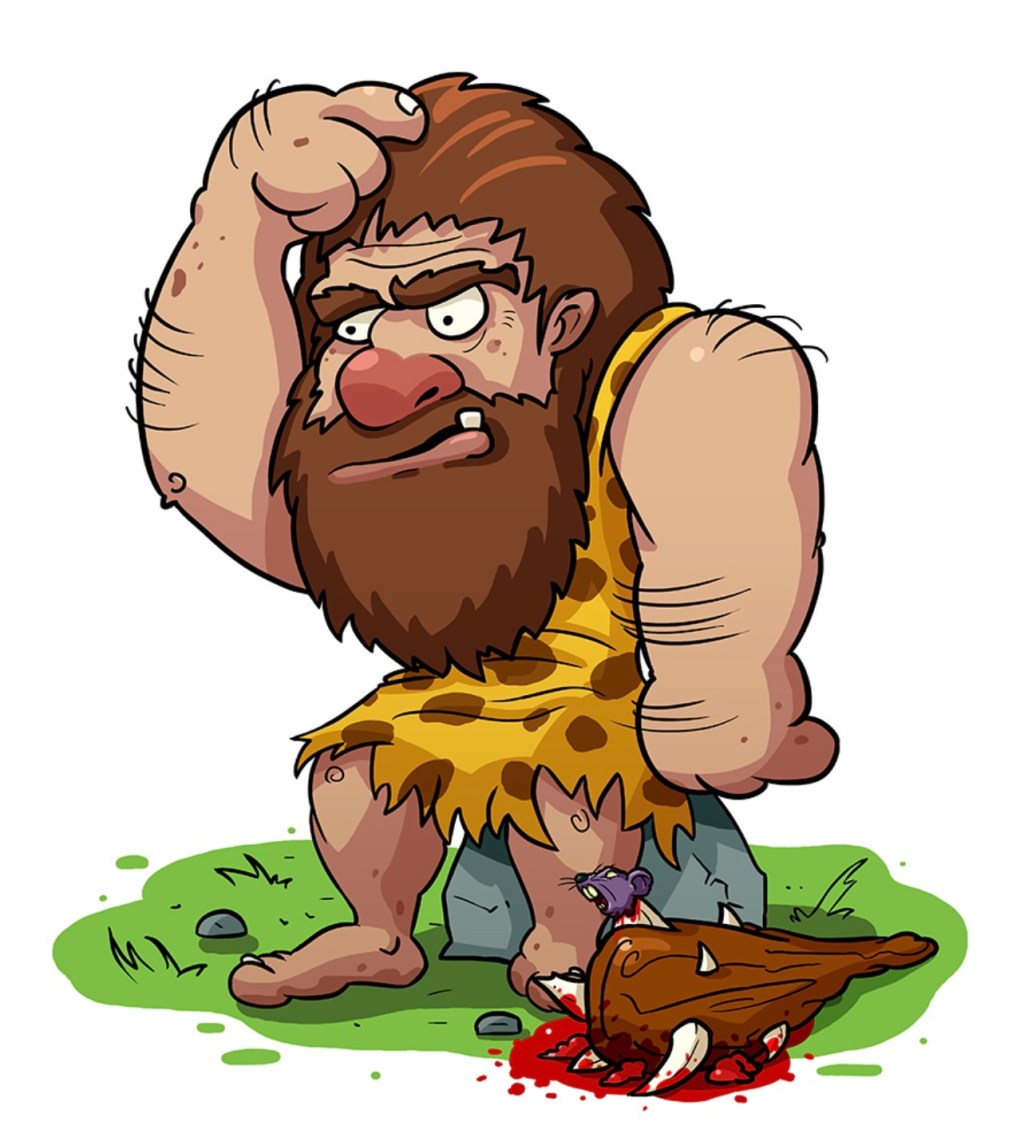
A zany and profane ad for a survey on my website (yep, that’s what AI thinks I look like)
Hey you, I would like to put my giant weiner away, wind it around my thigh, tuck it into my sock and ask you some questions. Please help me so I can get back to myhotmom dot com and get motivated to get back to writing. https://form.typeform.com/to/QYCbTtI8?utm_source=xxxxx#first_name=xxxxx
-
A zany and profane ad for a survey on my website (yep, that’s what AI thinks I look like)
Hey you, I would like to put my giant weiner away, wind it around my thigh, tuck it into my sock and ask you some questions. Please help me so I can get back to myhotmom dot com and get motivated to get back to writing. https://form.typeform.com/to/QYCbTtI8?utm_source=xxxxx#first_name=xxxxx
-
A zany and profane ad for a survey on my website (yep, that’s what AI thinks I look like)
Hey you, I would like to put my giant weiner away, wind it around my thigh, tuck it into my sock and ask you some questions. Please help me so I can get back to myhotmom dot com and get motivated to get back to writing. https://form.typeform.com/to/QYCbTtI8?utm_source=xxxxx#first_name=xxxxx
-
A zany and profane ad for a survey on my website (yep, that’s what AI thinks I look like)
Hey you, I would like to put my giant weiner away, wind it around my thigh, tuck it into my sock and ask you some questions. Please help me so I can get back to myhotmom dot com and get motivated to get back to writing.
-
Musings
Over the years, I’ve come to believe in a realm of truth that lies beyond theory and surface deduction, a place where answers are not just detailed in clinical logic, but where they are also intuited and deeply felt–where we live and breathe their core essence, and fully embody their organic spirit.
-
Musings
When I was younger, I placed total consideration into technicalities and procedures, quantifying possibility into rigid measurements and expectations. Later, I saw implicit wisdom in Tarantino’s reply when he was asked how to break into the film industry. He said, “Write and direct Reservoir Dogs. That’s what I did.” Through his tongue-and-cheek reply, he showed…
 Kent Wayne